
Maximising Investment Through Smarter Energy Technology
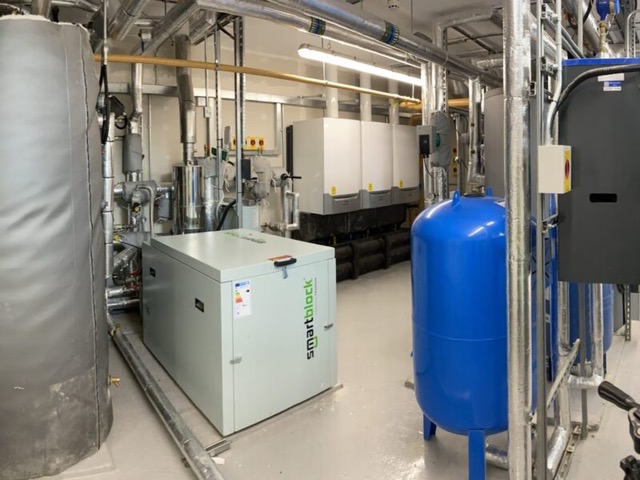
For many businesses, the challenge isn’t recognising the benefits of low carbon technology; it’s knowing where investment will make the biggest difference.
A £100k or £150k technology investment can look impressive on paper, but if it is applied to an inefficient building it may simply serve the same waste more expensively. At Helec, we believe capital should follow engineering need. Before recommending new equipment, we look at how the building uses energy, where demand can be reduced and whether the existing system can be improved first.
Every project begins with understanding how a site uses energy. By analysing historical electricity and gas consumption, tariff structures, demand profiles, building performance and plant operation, our engineers build a detailed picture of where efficiencies can be achieved. We then identify the right intervention for the site – from optimisation and right-sizing through to Combined Heat and Power (CHP), renewable energy systems or integrated solutions.
The result is an energy strategy based on first principles and measurable need, not assumptions or technology trends.
This matters because some of the most cost-effective carbon savings do not require wholesale replacement. Reducing unnecessary heat demand, improving controls, optimising existing plant, or installing newer high-efficiency gas boilers can all cut fuel use and CO2 emissions. For decision-makers, this creates a practical hierarchy: remove waste first, improve what can be improved, then invest in new technology where the business case is strongest.
Where capital budgets are constrained, fully funded Power Purchase Agreements (PPAs) and other financing options can provide access to advanced energy infrastructure without significant upfront investment. Through partnerships with trusted green finance providers, Helec can combine sound engineering with tailored funding so that businesses can preserve capital while pursuing lower energy costs, improved resilience, and reduced emissions.
Where technologies such as CHP are appropriate, our systems can also be Hydrogen Ready, supporting today’s energy requirements while preparing organisations for a lower-carbon future. But future readiness starts with present-day efficiency: the best technology cannot compensate for avoidable energy waste.
Technology alone doesn’t maximise investment. A building has to work before major capital expenditure can work at its best. Selecting the right solution, sizing it correctly, applying it in the right place and ensuring it delivers measurable performance are what create lasting value.
With over 17 years of experience, Helec helps businesses make informed investment decisions by asking the question that matters first: what does this building actually need? The answer can reduce operating costs, cut carbon emissions, and ensure every pound of energy investment works as hard as possible.